Preserving the wisdom of the lost arts for life.


Garden Problems
Healthy soil, proper watering, good air circulation, crop rotation, companion planting, beneficial insects, physical barriers, and natural pest-control methods can all help keep plants healthy. The key is to identify the underlying cause of a problem first, then choose the simplest natural solution that addresses it while protecting the health of your garden and the surrounding environment.
Common Garden Issues
🐛 Pests
Identify common garden insects and learn how to manage them.
🌿 Diseases
Recognize common plant diseases and understand what may be causing them.
🌱 Soil Problems
Learn how soil, nutrients, pH, and drainage affect your plants.
💧 Watering Problems
Find solutions for overwatering, underwatering, wilting, and drainage issues.
☀️ Weather Problems
Help your garden deal with frost, heat, wind, rain, and drought.
🥕 Vegetable Problems
Find solutions to common problems with tomatoes, peppers, squash, cucumbers, and other garden favorites.
Fruit & Berry Problems
Learn to recognize changes in leaves, flowers, and fruit to help you identify the cause and take steps to protect your plants and improve future harvests.
Garden Design & Growing Problems
Learn how to plan your garden carefully, recognize problems early, and making thoughtful adjustments can help you create a healthier, more productive garden and avoid many common growing mistakes.
Harvest Problems
Learn the signs of proper ripeness, use the right harvesting techniques, and handle produce carefully to protect the quality of your harvest and reduce waste.


Pests
damage leaves, stems, roots, flowers, and developing fruits, sometimes causing serious problems if they are left unchecked.
-
Aphids: mild soapy water (1 tablespoon mild liquid dish soap per gallon) Rinse off 3-4 hours later. Repeat as needed.
-
Cabbage worms: apply organic neem oil or spinosad sprays to deter and kill pests on contact.
-
Squash bugs: make a board trap. They will group under the boards at night; you can destroy them in the morning.
-
Tomato hornworm: pick off and drop into soapy water.
-
Cutworms: Place aluminum foil or cardboard collars around transplants.
-
Slugs and snails: small container of beer or water, flour, and yeast to drown them. Make level with ground.
-
Spider mites: Apply neem oil to smother.
-
Whiteflies: Spray the undersides of all leaves thoroughly with diluted Castile soap.
-
Cucumber beetles: They are slow in morning/evening. Catch and drop them into soapy water.
-
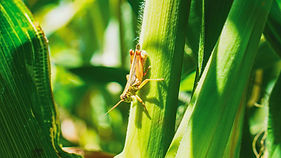
Grasshoppers: Spray on garlic and hot peppers with water and a few drops of dish soap.
-
Earwigs: small container of vegetable oil and a bit of soy sauce to drown them. Make level with ground.
-
Ants: Apply cinnamon along their trails to repel them.
-
Moles and voles: Clear away heavy mulch, weeds, and dense vegetation.
-
Deer: Install an 8ft!! tall fence or cages.
-
Rabbits: At least 24 inch raised beds.
Diseases
affect leaves, stems, roots, flowers, and fruit, causing symptoms such as spots, wilting, yellowing, mold, blight, or stunted growth.
-
Powdery mildew: spray plants with a mixture of 1 tablespoon of baking soda, 1/2 teaspoon of liquid soap, and 1 gallon of water.
-
Downy mildew: hydrogen peroxide sprays or neem oil can suppress spores.
-
Blight: drip irrigation, remove affected parts, fungicide.
-
Damping off: remove affected seedlings, dry the soil, and increase air flow.
-
Root rot: trim affected parts and give new, well-draining soil.
-
Bacterial wilt: remove and destroy affected plants, use crop rotation and well-draining soil.
-
Leaf spot: removing infected leaves, keeping foliage dry, and applying a suitable copper- or sulfur-based fungicide.

Soil Problems
make it difficult for plants to grow well, even when they receive enough sunlight and water.
-
Poor drainage: amend compacted soil with organic matter, improve site grading, or install a French drain.
-
Compacted soil: add organic matter, grow cover crops, or build raised beds.
-
Sandy soil: Mix in organic matter, use weekly fertilizer and enjoy your good drainage.
-
Heavy clay soil: add organic matter, grow cover crops, or build raised beds.
-
Nitrogen deficiency: nitrogen fertilizer, fish emulsion, blood meal, compost, plant nitrogen-fixing legumes as a cover crop
-
Phosphorus deficiency: liquid ammonium phosphate, bone meal, rock phosphate, or manure.
-
Potassium deficiency: kelp meal, wood ash, compost and banana peels.
-
Soil erosion: build terraces, add organic mulch, add cover crop, redirect water drainage
Watering Problems
quickly affect the health and productivity of a garden.
-
Overwatering: stop watering immediately and improve soil drainage by aerating compacted areas or adding organic matter. Begin watering again after soil has dried and adjust it as needed.
-
Underwatering: thorough, deep watering, followed by adjusting your routine to make sure moisture reaches the roots.
-
Inconsistent watering: Water deeply and slowly, early morning, a watering timer is very helpful as well.
-
Uneven watering: add mulch, clean clogged heads, flush drip lines, level the garden beds.

Weather Problems
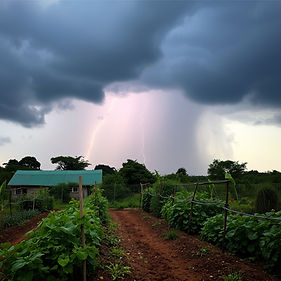
Extreme heat, frost, heavy rain, strong winds, hail, drought, and sudden temperature changes can damage plants or slow their growth.
-
Frost damage: water the roots thoroughly, leave dead foliage in place as natural insulation, and wait until the final frost risk passes before pruning.
-
Heat stress: water deeply in the early morning, add a thick layer of mulch, and set up temporary shade cloth.
-
Sunscald: provide shade, water deeply, trim affected leaves, and skip fertilizing.
-
Wind damage: prune broken branches cleanly, water the plants deeply, and provide temporary shelter.
-
Heavy rain: improve drainage, protect saturated soil, and help your plants dry out safely.
-
Drought: waterdeeply and infrequently in the early morning, combined with a thick layer of organic mulch to lock in soil moisture.
Seed Starting Problems
Problems are often caused by incorrect moisture, temperature, light, planting depth, or poor-quality growing medium.
-
Seeds not germinating: adjust the soil moisture, correct the planting depth, and ensure the soil temperature matches the specific needs of your plants.
-
Seedlings becoming leggy: increase their light intensity, lower the ambient temperature, and improve airflow.
-
Seedlings turning yellow: To cure yellowing seedlings, identify the specific cause—such as overwatering, lack of nutrients, or normal aging—and adjust your care routine or transplant the plants into fresh, nutrient-rich soil.
-
Transplant shock: there is no instant "magic cure" for transplant shock, you can successfully revive a struggling plant by focusing entirely on root recovery and reducing environmental stress. When a plant undergoes transplant shock, its fine root hairs are damaged, making it temporarily unable to absorb enough water to support its leaves.

Vegetable Problems
range from poor germination and slow growth to yellowing leaves, pest damage, disease, blossom drop, and plants that produce little or no harvest.
-
Cracked tomatoes: maintain a consistent watering schedule so the fruit grows at an even pace without sudden moisture surges.
-
Blossom-end rot: fix inconsistent watering habits and ensuring your soil has a steady calcium supply.
-
Flowers but no peppers: address temperature stress, hand-pollinate the blossoms, or adjust your fertilizer to a lower nitrogen mix.
-
Squash rotting on the plant: caused by blossom end rot (a calcium deficiency and watering imbalance) or poor pollination
-
Bitter cucumbers: cut off the stem end and rub the cut pieces together in a circular motion until a white, foamy liquid appears, then peel the skin.
-
Misshapen cucumbers: identify root cause, which is usually poor pollination, inconsistent watering, temperature stress, or a nutrient imbalance
-
Forked carrots: Grow in loose, sandy soil with no rocks. A raised bed can be helpful.
-
Cracked carrots: consistent watering and maintain even soil moisture.
-
Small carrots: keep soil consistently moist and cool.
-
Green potatoes: cover with extra soil or mulch so they do not push through the surface.
-
Potato scab: maintain even soil moisture during the critical tuber-formation stage.
-
Potato rot: ensure well-drained soil, and properly cure harvested tubers in a cool, dark, and ventilated space
-
Small potatoes: plant properly sized seed pieces, maintain consistent soil moisture, and provide the right balance of nutrients.

Fruit & Berry Problems
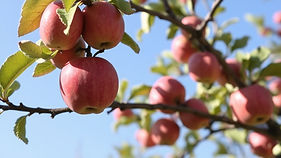
include pests, diseases, poor pollination, frost damage, nutrient deficiencies, and plants that produce small, misshapen, or very little fruit.
-
Fruit trees not producing: identify the underlying cause—such as lack of pollination, over-fertilization, or improper pruning—and adjust your care routine.
-
Blossom drop: reduce plant stress by fixing extreme temperatures, uneven watering, or poor pollination.
-
Birds eating fruit: use physical exclusion like secure bird netting or individual fruit bagging.
-
Fruit splitting: maintain a consistent watering schedule and fix nutrient imbalances.
-
Frost-damaged blossoms: pick off blackened flowers, wait to prune, soak the roots and hold off on heavy fertilizer.
-
Improper pruning: patience and correct future care
Garden Design & Growing Problems
challenges that can arise when planning, planting, and maintaining a productive garden.
-
Plants growing too close to each other: thin the seedlings or carefully transplant the crowded plants into separate spots with enough room.
-
Weeds taking over: manual removal, mulching, and targeted treatments.
-
Not enough sunlight: prune overhead branches, add reflective surfaces, or swap your crops for shade-tolerant varieties.
-
Lack of pollinators: providing food, safe nesting habitats, and a chemical-free environment for pollinators. Consider raising a hive of bees for your garden and get honey in return.
-
Companion planting problems: separate competing or disease-sharing crops and rebuild basic soil health.
-
Crop rotation mistakes: add heavy layers of organic compost, plant cover crops, or use natural soil or microbial remedies

Harvest Problems
produce is picked too early, too late, or handled improperly after it reaches maturity.
-
Vegetables bolting: apply thick mulch, water regularly, catch it early and nip off the tip. Harvest right away.
-
Produce damaged by frost: mildly chilled produce can sometimes be saved by using it immediately.
-
How to store garden produce: matching each vegetable or fruit with the right environment for temperature, moisture, and airflow.
-
What to do with an overwhelming harvest: eat fresh, share, preserve, and recycle.