
Preserving the wisdom of the lost arts for life.


Gardening Basics
Start growing with the fundamentals every gardener needs to know.
Whether you're planting your first garden or looking to improve the one you already have, understanding the basics makes gardening easier and more rewarding. Learn how to prepare your garden, choose what to grow, care for your plants, and harvest what you've grown.
Gardening Fundamentals
There are many different ways of gardening that work well. These are the techniques that have worked for me. I love gardening and my hope is to make it easy enough that others will love it too.
Garden Planning
Choosing a garden location
Choosing the right location is one of the most important steps when starting a garden. Look for an area that receives at least 6–8 hours of direct sunlight each day, has good drainage, and is close enough to your home that watering and regular maintenance are convenient. Avoid low areas where water collects, places shaded by buildings or trees, and locations exposed to strong winds. It’s also helpful to consider the quality of the soil, access to water, and how easily you can expand the garden in the future. A little planning before you plant can make a big difference in how well your garden grows.
Garden layout
Divide the garden into permanent 4 foot beds. Leave comfortable 3.5 foot paths between beds. Put tall crops on the north side. Group crops by their watering needs. Plan for rotation. Put frequently harvested crops where they're easy to reach.
Companion planting
This is the practice of growing certain plants near one another because they may benefit from sharing the same growing space. Some combinations can help attract beneficial insects, provide shade or support, make efficient use of garden space, or help discourage certain pests.
Succession planting
Instead of planting an entire crop at once, you can make several smaller plantings every few weeks or plant a new crop as soon as an earlier crop is harvested. This works especially well for lettuce, radishes, carrots, beans, peas, and other quick-growing vegetables. Planning succession plantings helps you make better use of your garden space, spread out your harvest, and enjoy fresh produce for a longer part of the season.

How to Plan Your Garden

Optimizing Your Garden Setup with the Mittleider Gardening Method
Soil
Soil preparation
Start by testing the soil to understand its pH and nutrient levels, then add organic matter or other amendments as needed. Remove weeds and large rocks, improve drainage where necessary, and loosen compacted soil so roots can grow easily. Good soil preparation creates a healthy foundation for your garden and can improve plant growth, water management, and harvests throughout the growing season.
Soil amendments
These are materials added to garden soil to improve its physical condition, nutrient availability, drainage, or ability to hold moisture. Common amendments include compost, well-aged manure, lime, sulfur, and other organic materials, depending on what your soil needs.

Custom Potting Soil

How to sterilize Potting Soil

Preplant Fertilizer
Seeds & Plants
Seeds vs. transplants
Growing from seed is generally more economical and gives you a wider selection of varieties, while transplants provide a head start and can be especially helpful for crops with longer growing seasons. Some vegetables, such as carrots, beans, and radishes, are often easiest to grow directly from seed, while tomatoes, peppers, and other long-season crops can benefit from being started as transplants. Choosing between seeds and transplants depends on the crop, growing season, available space, and how much time you want to spend starting plants.
Starting seeds
Choosing quality seeds, using a suitable growing medium, providing adequate moisture and light, and maintaining the proper temperature can help seedlings get off to a strong start. Starting seeds indoors can extend the growing season, give plants a head start, and allow you to grow a wider variety of vegetables, herbs, and flowers.
Hardening off seedlings
Over several days, seedlings are slowly exposed to increasing amounts of sunlight, wind, and outdoor temperatures rather than being moved outside all at once. This helps reduce transplant shock and gives plants time to develop the strength they need to thrive in their new environment.
Transplanting
Proper timing, careful handling of the roots, and gradually acclimating plants to outdoor conditions can help reduce transplant shock. Water plants well after transplanting and give them the care they need while their roots become established. Transplanting allows gardeners to get a head start on the growing season and make the most of their garden space.
Saving seeds
Choose seeds from healthy, productive plants, allow them to fully mature, then harvest, clean, and thoroughly dry them before storing. Keep saved seeds in a cool, dry, dark place in labeled, airtight containers so you know what you have and when it was collected. With proper storage, seed saving can reduce gardening costs and help you maintain varieties that grow especially well in your garden.


Use A Row Marker To Transplant Seedlings Into The Garden
How to Transplant Seedlings into Flats
How to Start Seedlings: Bulk Method


How to start seedlings in flats
Constant Feed
How to Water Seedlings
Plant Care
Watering
Plants need consistent moisture for healthy root development, growth, flowering, and fruit production, but too much water can lead to root problems and disease. Water deeply and thoroughly when needed, focusing water at the soil around the roots rather than on the leaves. Learning how often and how much to water based on your soil, weather, and individual plants can help conserve water while keeping your garden thriving.
Fertilizing
Fertilizers can supply nutrients such as nitrogen, phosphorus, and potassium, while organic materials like compost and well-aged manure can improve soil fertility and structure. The best approach is to understand what your soil and plants need and apply nutrients at the appropriate time and amount, since too much fertilizer can harm plants and the soil.


Constant Feed
Weekly Feed Fertilizer
Preplant Fertilizer
Mulching
Mulch helps conserve soil moisture, suppress weeds, regulate soil temperature, reduce erosion, and protect plant roots. Organic mulches such as straw, shredded leaves, grass clippings, and compost can also add nutrients and organic matter to the soil as they break down.
Weeding
Regularly removing weeds while they are small makes the job easier and helps prevent them from producing seeds and spreading throughout the garden. Mulching, cultivating the soil, and keeping garden beds well maintained can also reduce weed growth and make ongoing garden care much easier.
Supporting plants
Trellises, stakes, cages, fences, and plant supports can be used for tomatoes, cucumbers, peas, beans, squash, and other climbing or heavy plants. Supporting plants can improve air circulation, make harvesting easier, save garden space, and help keep produce cleaner and healthier.


The Key to a Successful Garden
How to Train Garden Plants to Climb a Trellis
Building the best Raspberry Trellis
Pruning
Proper pruning can help improve air circulation, manage plant size and shape, encourage healthy new growth, and direct the plant’s energy toward producing flowers or fruit. Knowing when and how to prune is important, as different plants have different pruning needs and timing.
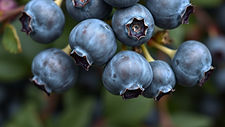
Prune Blueberry Bushes

Pruning Pear Trees

Prune Hazelnut Trees
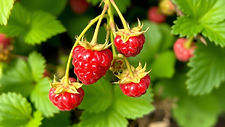
Pruning Raspberry Plants

Pruning Blackberry Bushes

Pruning Tomato Plants
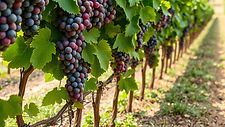
Pruning Grapes

Pruning an Apple Tree
Harvesting
When to harvest
Different crops have different signs of readiness, so learn to look for changes in size, color, firmness, and appearance rather than relying only on a calendar. Harvesting at the right stage can also encourage many plants to continue producing throughout the growing season. Regularly checking your garden and picking produce promptly helps prevent crops from becoming overripe, tough, or past their prime.
How to harvest
Using the right tools and harvesting techniques can help preserve freshness, prevent bruising, and encourage plants to continue producing. Harvest vegetables, fruits, herbs, and other crops regularly and handle them gently so they remain at their best for eating, storing, or preserving.
Storing fresh produce
Different crops have different storage needs, so learn which produce should be refrigerated, kept at room temperature, stored in a cool, dry place, or preserved by other methods. Proper handling, temperature, humidity, and ventilation can help reduce spoilage and extend the time you can enjoy your garden harvest.
Preparing your harvest for preservation
Start by selecting fresh, sound produce and removing any damaged or spoiled portions. Wash, sort, trim, peel, or cut the produce as needed for the preservation method you plan to use. Preparing your harvest promptly helps preserve its best quality and makes the preservation process more successful.


How to Harvest Potatoes
When and How to Harvest Sunflower Heads
How and When to Harvest Dill Seed


Root Cellar build
Easy Way to Remove Sunflower Seeds
How to Harvest Sunflower Seeds

Harvest Honeydew Melons

How to Process Sunflower Seeds
equipment
Hand Tools
-
Garden Trowels
-
Garden Forks
-
Garden Spades
-
Garden Shovels
-
Hoes
-
Rakes
-
Loppers
-
Garden Saws
-
Dibble
Watering Equipment
-
Garden Hoses
-
Watering Cans
-
Hose Nozzles
-
Soaker Hoses
-
Drip Irrigation
-
Water Timers
Seed Starting & Transplanting
-
Seed Starting Trays
-
Seed Flats
-
Seed Flat Markers
-
Seedling Trays
-
Seedling Heat Mats
-
Grow Lights
-
Plant Labels
-
Seed Spacing Tools
-
Dibblers
-
Seed Starting Mix
-
Potting Soil
-
Soil Sterilization Equipment
Plant Support
Soil & Bed Preparation
Pruning & Tree Care
Harvesting Equipment
Garden Structures & Work Areas
-
Trellises
-
Tomato Cages
-
Wheelbarrows
-
Garden Carts
-
Pruning Shears
-
Pole Pruners
-
Harvest Baskets
-
Harvest Knives
-
Potting Benches
-
Greenhouses
-
Cold Frames
-
Garden Twine
-
Compost Bins
-
Pruning Saws
-
Root Crop Forks
-
Raised Beds
-
Garden Sheds
-
Plant Ties
-
Broadforks
-
Tree Saws
-
Produce Scissors
-
Garden Shelving
-
Compost Areas
Pest & Garden Problem Equipment
-
Hand Sprayers
-
Garden Netting
-
Row Covers
-
Insect Traps
Measuring & Planning Tools
-
Measuring Tape
-
Spacing Guides
Garden Safety & Comfort
-
Gloves
-
Sun Hats
-
Row Markers
-
Leveling Tools
-
Garden Journals
-
Sun Glasses
-
Aprons
-
Tool Belts
-
Garden Boots
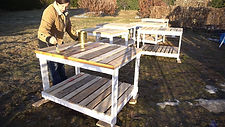
Mittleider Plant Tables
organize and support plants in a productive growing system.

Mittleider Leveling Device
Properly leveled beds help maintain even watering and fertilizer distribution while creating uniform growing conditions for plants throughout the garden.

Custom Potting Soil
create a homemade growing mix tailored to the needs of your plants and containers.
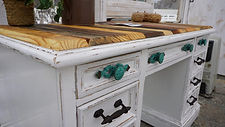
Old Desk into a Rustic Potting Bench
An old desk can be transformed into a charming rustic potting bench with a little creativity and some practical modifications.

Sterilize Potting Soil
treat potting soil before planting to reduce harmful fungi, bacteria, weed seeds, and other unwanted organisms.

DIY Mittleider Watering Can
make a simple, inexpensive watering can designed to deliver water gently and evenly over seedlings.

Best Raspberry Trellis
a simple, sturdy support system designed to keep raspberry canes upright, organized, and easier to harvest.

Potting Bench
a practical workspace for gardening tasks such as starting seeds, transplanting seedlings, filling pots, and preparing plants for the garden.

Mittleider Seedling Trays
seed-starting trays used to grow healthy, uniform seedlings before transplanting them into the garden.
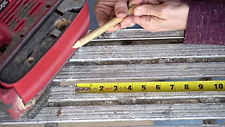
Make a Dibble
a simple hand tool for making evenly spaced planting holes in the garden.
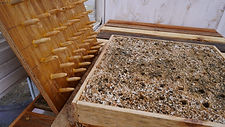
Seed Flat Marker
used to create evenly spaced planting holes in seed flats before sowing.
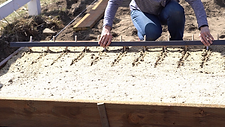
Mittleider Row Marker
a simple tool used to create straight, evenly spaced rows for planting in a Mittleider garden.

Use A Row Marker To Transplant Seedlings
a simple way to create evenly spaced planting holes and keep rows straight when moving seedlings into the garden.


Next Step: Preserving your Harvest
Canning, freezing, dehydrating, fermenting, and proper storage are all useful ways to preserve fresh produce while capturing its flavor and extending its usefulness. Choosing the right preservation method for each crop helps maintain quality and gives you a well-stocked pantry filled with foods from your own garden.
Having Trouble with your garden?
Even experienced gardeners run into problems, from pests and diseases to poor growth, yellowing leaves, watering issues, and plants that simply refuse to produce. Learning to recognize the signs and understand what may be causing the problem is the first step toward finding a solution. With a little observation and the right approach, many common garden problems can be corrected and prevented in future seasons.