


Freezing Corn for Long-Term Storage

Freezing corn is a fantastic way to preserve its sweet, crunchy goodness for months. Whether you’ve harvested a bountiful crop from your garden or bought a bushel at the farmer's market, knowing how to freeze corn properly allows you to enjoy its flavor long after the season has passed. In this post, I will walk through the steps to freeze corn effectively, ensuring you can savor its taste throughout the year.
Why Freeze Corn?
Freezing corn is an excellent method for long-term storage. Fresh corn peaks in flavor and sweetness when harvested but can spoil quickly if not preserved. Freezing locks in that fresh taste and maintains its nutritional value. With frozen corn, you can easily add it to soups, salads, or side dishes later. Additionally, freezing corn helps reduce food waste, which is a prevalent issue; in fact, the USDA estimates that about 30-40% of food in the U.S. goes to waste each year.
Choosing the Right Corn
Before you start the freezing process, it’s essential to choose the right corn. Look for ears that are plump, firm, and have bright green husks. The kernels should be milky and juicy when you pierce them with your fingernail. For example, varieties like Sweet Corn or Silver Queen are known for their superior taste. Avoid corn with dry or brown husks, as this indicates it may be past its prime.
Preparing the Corn
Once you’ve selected your corn, it’s time to prepare it for freezing. Here’s how to do it:
Husk the Corn: Remove the outer green husks and silk from each ear of corn.
Wash the Corn: Rinse the ears under cool running water to remove any dirt or debris.

Blanch the Corn: Blanching is a crucial step that helps preserve the color, flavor, and texture of the corn. To blanch, bring a large pot of water to a boil. Add the corn and boil for 5-6 minutes, depending on the size of the corn. Studies show that properly blanched corn can retain its flavor up to 98% compared to unblanched corn.

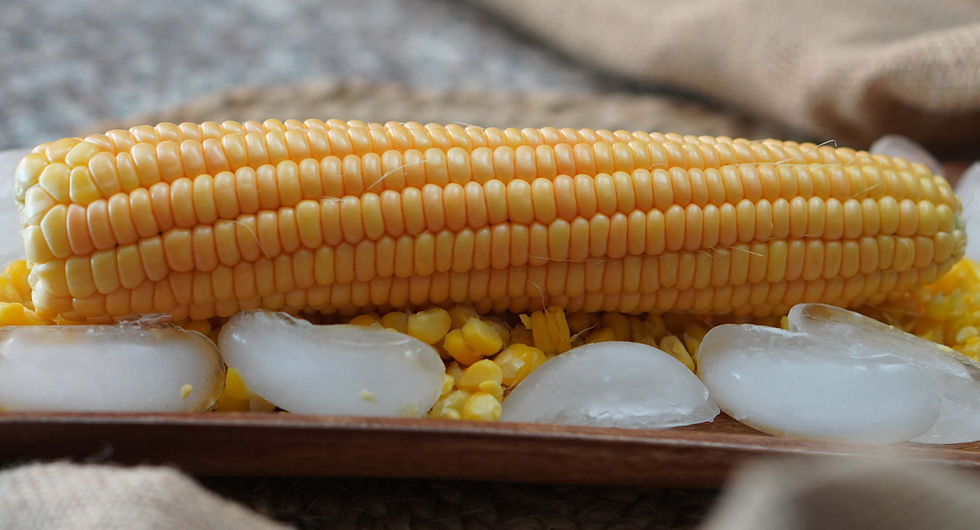
Cool the Corn: After blanching, immediately transfer the corn to towel on the counter.

Drain and Dry: Once cooled, drain the corn and pat it dry with a clean kitchen towel.

Cut the Kernels Off: Using a sharp knife, a mandolin or an electric knife, carefully cut the kernels off the cob. Hold the cob upright in a bowl and slice downwards to catch any kernels that may tumble.
Packaging the Corn for Freezing
Now that your corn is prepped, it’s time to package it for freezing. Here are some options:

Freezer Bags: Portion the corn into freezer bags, removing as much air as possible before sealing. This helps prevent freezer burn, which can ruin the taste.
Containers: You can also use airtight containers. Just be sure to leave some space at the top for expansion as the corn freezes.
Vacuum Sealing: If you have a vacuum sealer, this is an excellent option. Vacuum-sealed corn can last up to 2-3 years without losing flavor.

Label each bag or container with the date to keep track of how long it’s been in the freezer.
How Long Can You Freeze Corn?
Frozen corn can last up to 12 months in the freezer. However, for the best flavor and texture, it's recommended to use it within the first 6 months. Studies show that after 6 months, the quality decreases significantly, even though it remains safe to eat.
Thawing and Using Frozen Corn
When you’re ready to use your frozen corn, there are a few ways to thaw it:
In the Refrigerator: The best method is to transfer the corn to the refrigerator the night before you plan to use it.
Directly in Cooking: You can also add frozen corn directly to soups, stews, or stir-fries without thawing. Just remember to adjust the cooking time accordingly.
Essential Tips for Freezing Corn
Don’t Skip Blanching: Blanching preserves the quality of the corn. Skipping this step can lead to a loss of flavor and texture.
Use Fresh Corn: The fresher the corn, the better it will taste once frozen. Aim to freeze corn on the same day you purchase or harvest it.
Avoid Overpacking: When using freezer bags, avoid overpacking them. Compacting them too much can lead to uneven freezing.
Final Thoughts
Freezing corn is a simple yet effective way to enjoy the taste of summer all year round. By following these steps, you can ensure that your corn maintains its delicious flavor and nutritional value. Whether you’re adding it to your favorite recipes or enjoying it as a side dish, frozen corn is a versatile ingredient that brightens up any meal. So gather your corn, follow this guide, and get ready to savor the sweet taste of summer whenever you like!




Comments