


Homemade Chicken Layer Feed: Making It from Scratch

Making your own chicken feed from scratch offers a cost-effective and customizable way to ensure your flock gets the nutrients they need. This post walks you through the process of creating balanced, nutritious chicken feed using simple ingredients you can find locally or grow yourself.
Why Make Chicken Feed at Home?
Commercial feeds often contain additives and fillers that may not be ideal for your chickens. By making feed at home, you control the ingredients, ensuring freshness and quality. Homemade feed can be tailored to the age and purpose of your chickens, whether they are layers, broilers, or chicks.

Benefits include:
Cost savings by buying ingredients in bulk or growing your own.
Better nutrition by selecting high-quality grains, proteins, and minerals.
Reduced waste by adjusting recipes to your flock’s preferences.
Sustainability through using local or homegrown ingredients.
Step-by-Step Process to Make Chicken Feed

1. Gather Ingredients
Collect your grains, protein sources, minerals, and any extras. Use fresh, clean ingredients to avoid mold or contamination.
2. Prepare Ingredients
If using whole grains, consider cracking or grinding them to improve digestibility, especially for younger birds.
3. Mix Ingredients
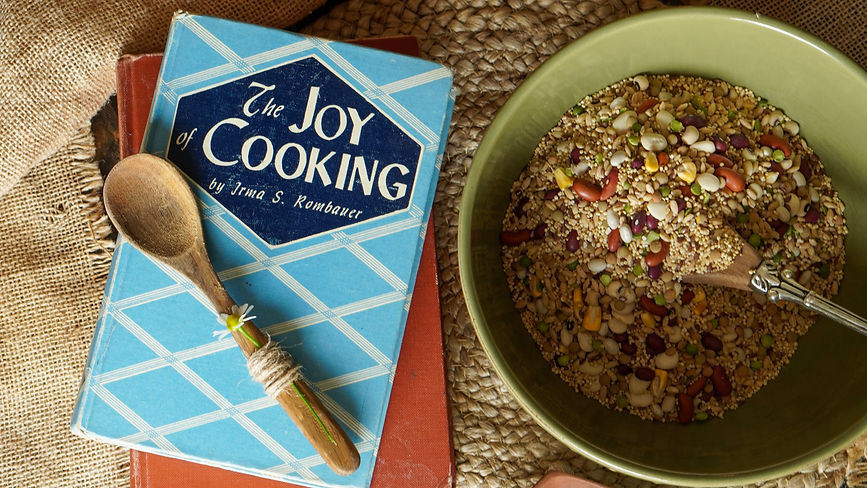
8 cups Black Oil Sunflower Seeds
fat, protein, zinc, and calcium
fat – energy, feather and skin health, absorb vitamins A, D, E, and K, food taste better.
Protein - egg production, healing, feathers.
Zinc - daily growth, bone and feather formation, aids the immune system, and helps with reproduction.
Calcium -protects bones, eggshells stronger.
4 cups Corn
protein, fat and carbohydrates.
Carbohydrates - body warm, energy, eggs.
4 cups Split Peas
protein and zinc
4 cups Barley
calcium, protein, carbohydrates, fats, methionine, zinc, selenium, and prebiotics.
Methionine (amino acid) - feathers, muscles, the immune system, and daily growth.
Selenium - immune system, muscles, nerves. More eggs fertilized, hatch survive
Prebiotics - digestion and support the immune system.
2 cups Oats
protein, phosphorus, Carbohydrates, fats, manganese, zinc, selenium, and prebiotics.
Phosphorus and manganese - energy metabolism, bone health and forming eggshells.
2 cups Wheat
phosphorus, carbohydrates, manganese, zinc, selenium, and prebiotics.
1 cup Millet
calcium, carbohydrates, fat, and lysine.
Lysine (amino acid) - muscles, immune system, and daily growth.
1 cup Flax Seed
fat, phosphorus, and manganese.
1 cup Oyster Shell
calcium
4. Blend Thoroughly

Use a large container or feed mixer to combine ingredients evenly. This ensures each scoop contains a balanced mix.
5. Store Feed Properly
Keep feed in a cool, dry place in sealed containers to prevent moisture and pests. Use within a few weeks for best freshness.
Tips for Feeding Your Chickens Homemade Feed

Introduce gradually: Mix homemade feed with commercial feed at first to help chickens adjust.
If using whole grains: soak in water overnight.
Provide clean water: Always have fresh water available to aid digestion.
Supplement with treats: Kitchen scraps, insects, and greens add variety.
Monitor flock health: Watch for signs of nutrient deficiencies like poor feathering or low egg production.
Adjust recipes seasonally: Increase energy in winter, protein during molting.

Common Mistakes to Avoid
Using moldy or spoiled ingredients, which can harm chickens.
Skipping mineral supplements, leading to weak bones or thin eggshells.
Feeding unbalanced rations that lack enough protein or energy.
Storing feed improperly, causing spoilage or pest infestations.




Comments