


Pruning Hazelnut Trees

Pruning a hazelnut tree is one of the most effective ways to boost its nut production and keep it healthy. Without proper pruning, hazelnut trees can become overgrown, produce fewer nuts, and suffer from diseases. Pruning your hazelnut tree correctly will ensure a good harvest and a happy tree.
Why Pruning Matters for Hazelnut Trees
Pruning shapes the tree, controls its size, and improves sunlight penetration and air circulation. These factors directly affect nut quality and quantity. When you prune, you remove dead or weak branches, which helps the tree focus its energy on producing strong, healthy fruit-bearing branches.
Neglecting pruning can lead to tangled branches that block sunlight. It also increases the risk of pests and diseases. Pruning is not just about cutting branches; it’s about guiding the tree’s growth for the best nut production.
When to Prune Your Hazelnut Tree
The best time to prune hazelnut trees is during late winter or early spring, just before the tree breaks dormancy. This timing helps the tree heal quickly and reduces the risk of disease. Avoid pruning in late summer or fall, as this can stimulate new growth that won’t harden off before winter.
Tools You Will Need
Having the right tools makes pruning easier and safer for both you and the tree. Here’s what you’ll need:
Pruning shears for small branches up to ¾ inch thick
Loppers for branches between ¾ inch and 1½ inches
Pruning saw for larger branches
Gloves to protect your hands
Disinfectant to clean tools between cuts and prevent disease spread
Make sure your tools are sharp and clean before starting.
How to Prune Your Pear Tree Step-by-Step
1. Remove Dead, Diseased, or Damaged Wood
Start by cutting out any branches that are dead, diseased, or broken. These branches do not produce and can harbor pests or infections. Cut back to healthy wood or to the main trunk.
2. Thin Out Crowded Branches
Look for branches that cross or rub against each other. Remove the weaker or less well-placed branch to prevent damage and improve airflow. Thinning helps sunlight reach the inner parts of the tree, which encourages nut development.
3. Cut Back Suckers
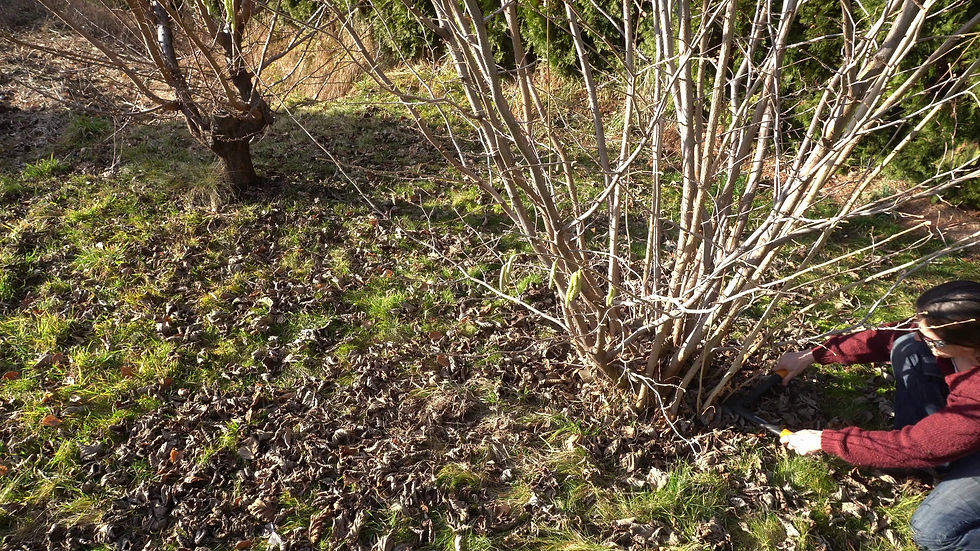
Suckers grow from the base of the tree and divert energy from nut production and should be removed.
4. Shape the Tree for Structure and Fruit Production
Aim for an goblet-like shape with well-spaced branches. This shape allows light to reach all parts of the tree and makes harvesting easier.
5. Shorten Long Branches

Cut back overly long branches by about one-third. Make cuts just above a bud that faces outward to guide the branch’s growth direction.
Tips for Pruning Young vs. Mature hazelnut Trees
Young trees (1-3 years old): Focus on establishing a strong framework and good shape. Avoid heavy pruning that removes too much growth.
Mature trees (4+ years): Concentrate on maintaining shape, removing old wood, and encouraging new fruiting wood. Remove about 20-30% of the canopy annually to keep the tree productive.
Common Mistakes to Avoid
Over-pruning: Removing too much wood weakens the tree and reduces nut yield.
Leaving stubs: Cut branches cleanly at the collar to promote healing.
Ignoring tool hygiene: Dirty tools spread disease.
Pruning at the wrong time: Avoid heavy pruning in summer or fall.
How Pruning Affects nut Quality and Quantity
By removing old, unproductive wood and opening the canopy, the tree can allocate more resources to nut development.
After Pruning Care
Once pruning is done, keep your hazelnut tree healthy by watering during dry spells and applying mulch to retain moisture. Fertilize in early spring with a balanced fertilizer to support new growth. Monitor the tree for signs of pests or disease and treat promptly.





Comments