Preserving the wisdom of the lost arts for life.


Make Your own Eggnog
a delicious way to turn simple ingredients into a rich, creamy holiday favorite. Made with milk, cream, eggs, sugar, and warm spices, homemade eggnog has a fresh flavor and smooth texture that makes it special for family gatherings and Christmas celebrations. Learning to make it from scratch also brings back the tradition of preparing festive foods at home and reduces the amount of additives and preservatives that you consume.


FROM THE DAIRY
Learn the traditional ways to turn fresh milk into wholesome foods for your family.
Before dairy products came conveniently packaged at the grocery store, families knew how to work with fresh milk and cream to make butter, buttermilk, cheese, and other kitchen staples. Learn these practical skills and bring some of that old-fashioned wisdom back into your kitchen.
NEW TO WORKING WITH MILK? START HERE
making the most of fresh milk and turning it into delicious homemade staples such as butter, cream, buttermilk, yogurt, cheese, and other dairy products all starts here. Learn traditional techniques for processing and using dairy at home, while making the most of fresh ingredients from the farm or homestead.


Separate Cream from Milk
naturally separate rich cream from fresh milk for use in butter, whipped cream, sauces, desserts, and other homemade foods.

Pasteurize Raw Milk
how to safely heat fresh raw milk to reduce harmful bacteria while preserving its fresh flavor and nutritional qualities.

Make Goat's Milk Palatable
explores simple ways to improve the flavor and freshness of goat’s milk for those who find its taste too strong or unfamiliar.
MAKE YOUR OWN BUTTER
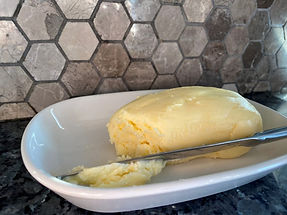
With nothing more than cream and a little time, you can make fresh butter at home. Learn the traditional process of turning cream into butter and buttermilk.

Make Butter in a Butter Churn
Butter in a KitchenAid Mixer

Make Butter in a Food Processor
WHAT DO YOU HAVE from THE DAIRY?
DAIRY MAKES everything BETTER
From fresh butter and cream to homemade cheese, yogurt, and buttermilk, discover how simple dairy products can transform everyday meals, baked goods, and desserts into something special. Click on the photos below to find recipes that use dairy.
Milk

Milk

Butter

Butter
Cheese

Cheese

Buttermilk

Buttermilk

Cream

Cream

Yogurt

Yogurt
Wisdom From THE DAIRY

How families used every part of the milk
Fresh milk was carefully separated and transformed into cream, butter, buttermilk, cheese, and other nourishing foods, with each part put to good use. These simple traditions helped families avoid waste, stretch what they had, and make the most of the precious milk provided by their cows. The knowledge of how to use every part of the milk is a valuable piece of practical wisdom worth passing on to future generations.
Why homemade butter tastes different
It comes down to its freshness, ingredients, and the traditional process used to make it. Fresh cream that is churned into butter has a rich, natural flavor and can have subtle differences depending on the milk, season, and what the cow has been eating. Homemade butter also carries the simple, satisfying taste of something made fresh in your own kitchen—a flavor that connects us to the traditional ways families once prepared their food.
What buttermilk really is
Traditionally, buttermilk was the slightly tangy liquid left behind after cream was churned into butter. It was not only a useful byproduct but also a valuable ingredient for biscuits, pancakes, breads, soups, and other homemade foods. Learning what traditional buttermilk was—and how families used it—helps preserve the practical wisdom of making the most of every part of the milk.
Passing recipes from one generation to another
a way of preserving the flavors, traditions, and memories that make family food special. Recipes often carry stories of the people who made them, the occasions they were served, and the skills learned along the way. Sharing these recipes with our children and grandchildren helps keep treasured family traditions alive for generations to come.
Traditional ways of storing dairy
Milk, cream, butter, cheese, and other dairy products could be cooled in springhouses, cellars, or other naturally cold places, while butter and cheese were prepared in ways that helped extend their keeping quality. These practical methods allowed families to preserve precious dairy foods, reduce waste, and make the most of what their animals provided.
Making food instead of buying it
This is about rediscovering the simple skills families once relied on to provide food for their tables. From baking bread and making butter to preparing sauces, mixes, preserves, and everyday meals, homemade food allows us to use simple ingredients and make the most of what we have. These practical skills can save money, reduce waste, improve health and give us the satisfaction of knowing how to make the foods our families enjoy.
Teaching children where dairy foods come from
This helps them understand the connection between the food on their table and the animals, people, and work that provide it. Learning how milk becomes butter, buttermilk, cheese, yogurt, cream, and other dairy foods gives children an appreciation for traditional food skills and the value of not wasting what we have. These simple lessons can help pass practical knowledge and a deeper connection to food from one generation to the next.
Latest From the Dairy

Old Fashioned Strawberry Ice Cream
I love that no special equipment is needed and it is so fast to make.

Peach Ice Cream Without an Ice Cream Maker
It requires no special equipment and takes mere minutes to make.

Separate Cream from Milk
naturally separate rich cream from fresh milk for use in butter, whipped cream, sauces, desserts, and other homemade foods.