
Preserving the wisdom of the lost arts for life.


HOW DO YOU WANT TO PRESERVE IT?

canning
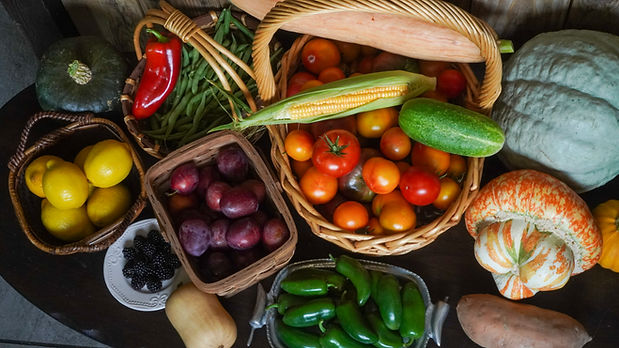
Preserve fruits, vegetables, sauces, jams, pickles and more for your pantry.

freezing
Simple ways to preserve seasonal produce for later use.

fermenting
Traditional methods for preserving food while developing incredible flavor.

jams and jellies
Capture the flavor of summer fruit in jars you can enjoy all year.

drying
Remove moisture and preserve fruits, vegetables, herbs and other foods.

food storage
Keep your stored foods organized and ready for the months ahead.

RECIPES FOR PRESERVING THE HARVEST
Tried-and-loved ways to turn fresh ingredients into something that lasts.

Blackberry Basil Conserve

Apricot Pie Filling

Strawberry preserves with pectin
This conserve is a rich, flavorful spread combining sweet, juicy blackberries with buttery pecans and sweet basil. The deep berry sweetness, nutty crunch, and subtle herbal flavor create a unique, beautifully balanced conserve that’s delicious on toast, biscuits, scones, or paired with cheese.
This pie filling has a rich, buttery sweetness with bright, tangy apricot flavor, warm cinnamon, and the deep, nutty taste of pecans. The apricots add a lovely fruity contrast to the rich pecans, creating a cozy, nostalgic flavor reminiscent of classic peach pie with a fresh, fruity twist.
Strawberry preserves are sweet, juicy, and bursting with the fresh flavor of ripe strawberries. With tender pieces of fruit and a rich, luscious texture, they capture the taste of summer in every spoonful. They are delicious spread on toast, biscuits, scones, or stirred into yogurt.

NEW TO FOOD PRESERVATION?
START HERE.
You don't need to know everything before you begin. Start with the basics and build your skills one method at a time.
cANNING bASICS
Tried-and-loved ways to turn fresh ingredients into something that lasts.

Canning Equipment Overview
This introduces the essential tools and equipment used for home canning, helping beginners understand what they actually need before getting started.

Pressure Canner vs Boiling Water Bath
A boiling water bath uses boiling water to safely process high-acid foods, while a pressure canner uses high-pressure steam to safely process low-acid foods such as vegetables, meats, and poultry.

12 Common Reasons Your Canning Jars Fail to Seal
Learn the most common reasons canning jars fail to seal and how to avoid the mistakes that can lead to a poor seal.

How to Sterilize Canning Jars and Lids
An explanation of how to properly prepare jars and lids before canning to help ensure a safe, successful preserve. It walks readers through cleaning and sterilizing equipment, and explains when jars need to be sterilized.

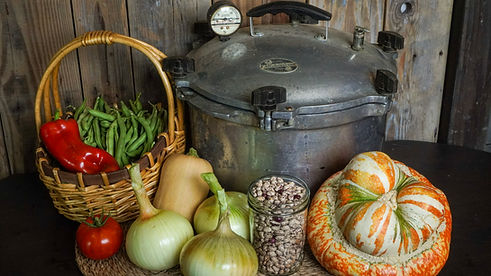
Introduction to a Pressure Canner
Learn how to safely use a pressure canner to preserve low-acid foods while achieving reliable, safe results at home.
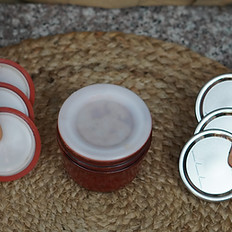
how to use reusable canning lids
A comparison of traditional single-use canning lids with reusable options, helping home canners understand the differences before choosing which to use.

Introduction to a Boiling Water Bath Canner
Learn how to use a boiling water bath to safely preserve high-acid foods like fruits, jams, jellies, pickles, and salsas at home.
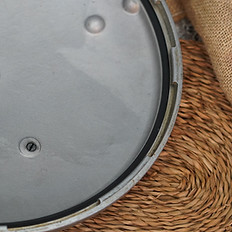
Replacing the Sealing Ring

Mastering the Petcock Valve
Learn how to recognize when your pressure canner’s sealing ring needs replacing and how to safely install a new one for a proper seal.
Learn how to properly use the petcock valve on a pressure canner to control steam and maintain the pressure needed for safe canning.


Fermentation
Ancient methods. Simple ingredients. Remarkable flavor.
Before refrigeration and modern canning, fermentation was one of the ways people preserved the harvest for months to come. Today, these traditional methods are still a wonderful way to turn fresh ingredients into flavorful foods.
Explore fermentation recipes, techniques, and tips for getting started.


Dehydrating
Simple preservation. Concentrated flavor. A harvest that lasts.
Long before modern refrigeration, people relied on the sun, air, and gentle heat to dry food for storage. Dehydrating continues that tradition, transforming fresh fruits, vegetables, herbs, and other foods into shelf-stable ingredients that can be enjoyed long after the harvest.
Learn how to dehydrate food, prepare it for storage, and put your preserved harvest to good use.


freezing
Learn how to prepare, freeze, package, and store food properly so you can make the most of your harvest.
Freezing is one of the simplest ways to preserve fruits, vegetables, herbs, and prepared foods. With the right preparation, freezing can help retain much of the fresh flavor, color, and texture of seasonal foods while making them convenient to use throughout the year.

food storage
Good food deserves a good place to keep it.
Not every food needs to be canned, dried, fermented, or frozen. Proper storage can keep many foods fresh and usable for weeks, months, or even longer. From root vegetables and dry goods to bread, prepared meals, and everyday pantry staples, the right storage methods can help reduce waste and make the most of what you have.