



How to Water Glass Eggs with Sodium Silicate

Preserving eggs for long periods without refrigeration can be a challenge for many households and small farms. One traditional method that has stood the test of time is water glassing eggs using sodium silicate. This technique allows eggs to stay fresh for months by creating a protective barrier that slows down spoilage. Understanding how to water glass eggs properly and knowing the differences between water glassed and fresh eggs can help you make the most of this preservation method.
What Is Water Glassing and Why Use Sodium Silicate?
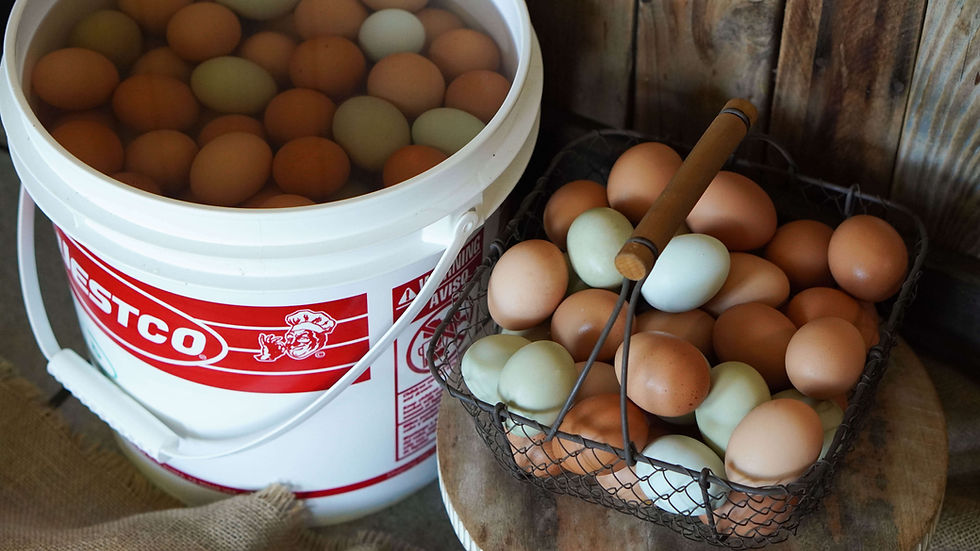
Water glassing involves submerging fresh eggs in a solution of sodium silicate and water. Sodium silicate, also known as water glass, is a liquid compound that forms a seal around the eggshell. This seal prevents air and bacteria from entering the egg, which slows down the natural aging process and keeps the eggs edible for an extended time.
This method was popular before modern refrigeration and remains useful for people who want to store eggs without electricity or for emergency preparedness. Sodium silicate is non-toxic and safe for preserving eggs when used correctly.
Preparing the Sodium Silicate Solution
To water glass eggs, you need to prepare the right concentration of sodium silicate solution. Here’s a simple recipe:

Use 1 part sodium silicate (liquid form)
Mix with 10 parts clean water
For example, if you use 1 cup of sodium silicate, mix it with 10 cups of water. Stir the mixture well until it is uniform.

Make sure to use clean, fresh water and a clean container to avoid contamination. (Boiling and then cooling the water makes sure it is a clean environment for the eggs.) The solution should be stored in a cool place if not used immediately.
How to Water Glass Eggs Step-by-Step

Select fresh eggs: Use eggs that are clean and free of cracks. Fresh eggs work best because older eggs may have already started to spoil. Avoid washing eggs as the natural bloom on the eggshell helps protect the egg.
Prepare the container: Use a clean, food-safe container large enough to hold all the eggs and the sodium silicate solution.
Mix the solution: Mix well before adding the eggs.

Submerge the eggs: Place the eggs carefully in the container with a wire skimmer until they are fully covered.
Store properly: Keep the container in a cool, dark place. Avoid freezing temperatures.

Check periodically: Inspect the eggs every few weeks. If any eggs crack or spoil, remove them immediately to prevent contamination.
How Long Do Water Glassed Eggs Last?
When stored correctly, eggs preserved in sodium silicate solution can last 1-2 years. This is significantly longer than fresh eggs stored in a refrigerator, which typically last 3 to 5 weeks. The water glassing method slows down moisture loss and bacterial growth, maintaining egg quality for months.
Differences Between Water Glassed Eggs and Fresh Eggs
Understanding how water glassed eggs differ from fresh eggs helps set expectations for their use and quality.
Appearance and Texture
Shell: Water glassed eggs maintain their original shell appearance but may feel slightly slick due to the sodium silicate coating.
White and yolk: When cracked open, the egg white will be thinner than a fresh egg, and the yolk will be less firm. This is normal and does not indicate spoilage.
Taste and Cooking
Taste: Water glassed eggs taste very similar to fresh eggs. Some people notice a slight difference in texture but no strong flavor change.
Cooking: These eggs work well for baking, boiling, and frying. For hard-boiled eggs, water glassed eggs peel more easily because the membrane softens over time.
Nutritional Value
The nutritional content remains largely unchanged. Eggs retain their protein, vitamins, and minerals during water glassing.
Safety and Handling
Water glassed eggs are safe to eat as long as they are stored properly and checked regularly.
Always discard eggs that show signs of spoilage such as foul odor, discoloration, or unusual texture.
Tips for Best Results
Use eggs collected within a week for water glassing.
Avoid washing eggs to preserve the natural protective coating.
Keep the sodium silicate solution clean and replace it if it becomes cloudy or contaminated.
Label your container with the date of preservation to track freshness.
Test one egg after a few weeks to ensure the method is working before storing large quantities.
When to Choose Water Glassing Over Refrigeration
Water glassing is ideal for:
People without reliable refrigeration.
Those who want to store eggs for long periods without frequent use.
Emergency preparedness kits.
Small farms or homesteads with surplus eggs.
Refrigeration is still the best option for daily use eggs, but water glassing offers a practical alternative for long-term storage.
Water glassing eggs with sodium silicate is a simple, effective way to preserve eggs for months without refrigeration. By following the right steps, you can keep eggs fresh and safe, enjoying their nutritional benefits long after they were laid. Knowing the differences between water glassed and fresh eggs helps you use them confidently in your kitchen. Try this method to reduce waste, save money, and prepare for times when fresh eggs might not be readily available.




Comments