



Reviving an Antique Office Chair

Antique furniture holds history and charm. Restoring an antique office chair not only preserves a piece of craftsmanship but also brings new life to a piece that can add character to any home office.
Understanding the parts of an Antique office chair
Before starting the renovation, it’s essential to understand the main components:
Wooden boards: These form the frame.
Leather or hide: The cover for the back and seat.
Hardware: The metal that allows the chair to swivel and be adjustable.
Nails or tacks: Used to attach the leather to the wood.
Knowing these parts helps identify what needs repair or replacement.
Assessing the Condition of Your Chair
Begin by examining your chair carefully:
Check the leather for cracks, holes, or brittleness.
Inspect the wood for cracks, warping, or loose joints.
Look at the hardware for rust, or dents.
This assessment guides your renovation plan and materials needed.
Gathering Materials and Tools
You will need:
Having all materials ready makes the process smoother.
Repairing any damage and Cleaning the chair
Carefully fix any damage by replacing nails or tacks. Take your time to avoid damaging the wood. If your leather needs to be replaced now would be the time to do it.

Wipe everything down with mild detergent and a soft damp cloth.
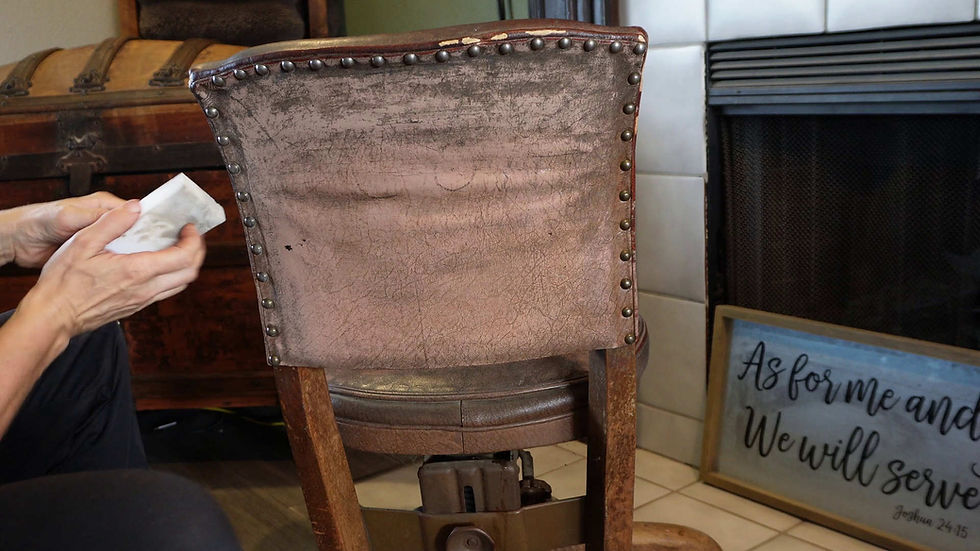
If there are areas with more tenacious grime a magic eraser can be used.

This prepares the materials for accepting the new oils.
Oiling the chair
If the wood has cracks or loose parts:
Apply wood glue to cracks and clamp the pieces until dry.
For loose joints, add glue and clamp firmly.
Sand any rough areas to smooth the surface.
Strong, smooth wood ensures the bellows will last longer.
Now it is time to add oil to the chair.

Boiled linseed oil.
this is used on all the metal and wood components

the oil stops oxidation from occurring
if it has any rust you'll want to sand that off before oiling it
Neatsfoot oil

this is used on all the leather
the oil keeps the leather well conditioned and pliable
if the leather is very dry you will need to do multiple coats of it.
Wood cream (optional)

this is more specifically for wood but the linseed oil will have the same effect.
the oil rejuvenates the wood and keeps it from cracking
Click here for my recipe
For all of the oils, you place on more oil than you think it can absorb and let it sit for 12-24 hours depending on how dry it was.

Then you use a soft cloth to remove any excess oil.
Maintaining Your Renovated Chair
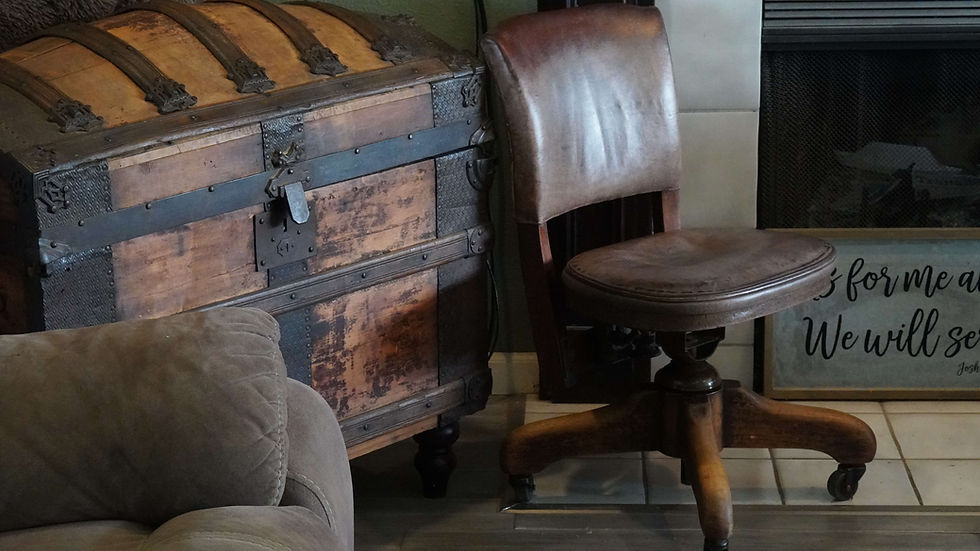
To keep your chair in good shape:
Store it in a dry place to prevent leather drying out or wood warping.
Occasionally apply leather conditioner to keep the leather supple.
Check for loose nails or damage regularly.
reapply oils as needed.
Regular care extends the life of your restored antique office chair.





Comments