


Steps for Dehydrating and Using Papaya in Your Recipes

Papaya is a tropical fruit prized for its sweet flavor and vibrant color. It offers a rich source of vitamins, antioxidants, and digestive enzymes. While fresh papaya is delicious on its own, dehydrating it unlocks new ways to enjoy this fruit year-round. Dehydrated papaya makes a convenient snack, a versatile ingredient, and a natural sweetener for many dishes. This post explains how to dehydrate papaya properly and shares practical ideas for using it in your kitchen.
How to Prepare Papaya for Dehydration
Start with ripe papayas that are slightly soft to the touch and have a sweet aroma. Avoid fruit with bruises or overly soft spots.
Wash and peel the papaya thoroughly.
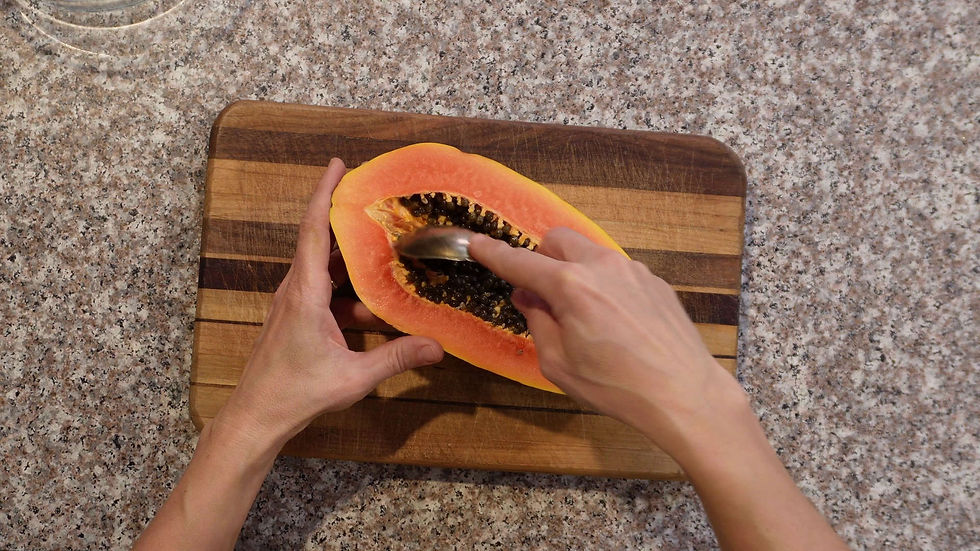
Remove the seeds using a spoon. The seeds are edible but have a peppery taste that may not suit all recipes.

Slice the papaya into uniform pieces. Aim for about 1/4 inch thick slices or small cubes. Uniform thickness ensures even drying.
Optionally, dip the slices in lemon juice for a few minutes. This helps preserve color and adds a slight tang.
Methods for Dehydrating Papaya
You can dehydrate papaya using a food dehydrator, an oven, or by sun drying. Each method has pros and cons.
Using a Food Dehydrator
A food dehydrator offers the most control and consistent results.

Arrange papaya slices in a single layer on dehydrator trays.
Set the temperature to 135°F (57°C).
Dry for 6 to 12 hours, checking periodically.
The papaya is ready when it feels leathery and no longer sticky.
Using an Oven
If you don’t have a dehydrator, an oven works well.
Preheat the oven to its lowest setting, usually around 140°F to 170°F (60°C to 75°C).
Place papaya slices on a baking sheet lined with parchment paper.
Keep the oven door slightly open to allow moisture to escape.
Dry for 6 to 10 hours, flipping slices halfway through.
Check for a leathery texture without moisture.
Sun Drying
Sun drying is traditional but depends on weather conditions.
Place papaya slices on a clean mesh screen or tray.
Cover with a thin cloth to protect from insects.
Dry in direct sunlight for 2 to 4 days, bringing the trays indoors at night.
This method requires warm, dry weather and patience.
Storing Dehydrated Papaya

Once dried, let the papaya cool completely. Store it in airtight containers or resealable bags. Keep the containers in a cool, dark place. Properly dried and stored papaya can last for 6-12 months. For longer storage, consider vacuum sealing or refrigerating.
Using Dehydrated Papaya in Recipes

Dehydrated papaya adds natural sweetness and chewy texture to many dishes. Here are some ideas to get started:
Snack It Straight
Dehydrated papaya makes a healthy, portable snack. It’s perfect for hiking, school lunches, or a quick energy boost. Pair it with nuts or seeds for a balanced treat.
Add to Trail Mix
Combine dried papaya with almonds, cashews, dried coconut flakes, and dark chocolate chips. This mix offers a variety of flavors and textures.
Bake Into Goods
Chop dehydrated papaya into small pieces and add it to muffins, cookies, or bread dough. It adds bursts of tropical flavor and natural sweetness without extra sugar.
Use in Granola or Cereal
Toss chopped papaya into homemade granola or sprinkle over your morning cereal. It pairs well with oats, honey, and nuts.
Rehydrate for Smoothies or Sauces
Soak dried papaya in warm water for 10 to 15 minutes to soften it. Blend into smoothies or use as a base for tropical sauces and chutneys.
Mix Into Salads
Add small pieces of dehydrated papaya to green salads or grain bowls. The chewy texture contrasts nicely with fresh vegetables and nuts.
Make Papaya Tea
Simmer dried papaya pieces in hot water for 10 minutes to create a fragrant, fruity tea. Sweeten with honey or ginger if desired.
Tips for Best Results
Choose ripe papayas for the best flavor and sweetness.
Slice evenly to ensure consistent drying.
Store dried papaya away from heat and moisture to prevent spoilage.
Experiment with spices like cinnamon or chili powder before drying for unique flavors.
Label your storage containers with the date to keep track of freshness.




Comments