


Classic Seafoam Sauce Recipe

This seafoam sauce comes from the 1969 Fanny Farmer Cookbook, and it’s the kind of dessert sauce that feels very much of its time: light, sweet, vanilla-scented, and a little bit fancy without using fancy ingredients.
It starts with a cooked butter, sugar, flour, egg yolk, and water mixture made over a double boiler. Then, once that mixture cools, it gets folded into beaten egg whites. The result is soft, airy, and creamy, with a texture somewhere between a custard sauce and a fluffy dessert topping.
If you’ve never used a double boiler before, this recipe does rely on one. If you need help using one, or if you want to make your own with a saucepan and heatproof bowl, take a look at my double boiler post first. Once you’re comfortable with that setup, this recipe is very manageable.
What seafoam sauce tastes like
Seafoam sauce is sweet and mild, with a gentle vanilla flavor and a soft, cloud-like texture. It isn’t foamy like soap bubbles, and it isn’t a pourable syrup. It’s more like a fluffy, old-fashioned dessert sauce that can be spooned over warm desserts.
The name makes sense once you fold in the egg whites. They lighten the cooked base and give the sauce that pale, airy look. It’s not quite whipped cream, not quite custard, and not quite meringue. It sits somewhere in between.
This sauce is especially good with simple desserts that need a soft, sweet finish. Try it with:

Warm gingerbread
Plain spice cake
Steamed pudding
Baked apples
Pound cake
Simple yellow cake
Warm fruit desserts
Apple Dumplings
Because the sauce is delicate, it works best with desserts that aren’t already loaded with frosting or heavy toppings. Think “cozy and homemade,” not “over the top.”
Ingredients for seafoam sauce
This recipe uses just a handful of pantry ingredients. The method matters more than the ingredient list, so don’t rush the cooking, cooling, or folding steps.
Ingredient | Amount |
Butter | 2 tablespoons |
1/2 cup | |
2 tablespoons | |
Egg | 1 large, separated |
Water | 1/2 cup |
1 teaspoon |
A few quick notes before you start:
Use a large egg. That’s the standard for most modern recipes unless another size is listed.
Separate the egg carefully. The egg white needs to beat to stiff peaks. Even a little yolk in the white can make that harder.
Let the cooked mixture cool fully. If it’s warm when you fold it into the egg whites, it can deflate them and change the texture.
Use fresh eggs or pasteurized eggs if needed. The yolk mixture is heated, but the beaten egg white is folded in after the mixture cools. If raw or lightly prepared egg whites are a concern, use pasteurized eggs or pasteurized egg whites.
How to make seafoam sauce
The process has three main parts. First, you make the cooked base over the double boiler. Next, you beat the egg white until stiff. Then you fold everything together gently.
Take your time, especially the first time you make it. This isn’t hard, but it does reward patience.
Melt the butter over the double boiler
Set up your double boiler and bring the water underneath to a gentle simmer. You don’t want a hard boil. Gentle heat is the whole point here.

Add 2 tablespoons of butter to the top of the double boiler and let it melt.
Once the butter has melted, remove the top of the double boiler from the heat. This keeps the sugar and flour from clumping or cooking too quickly when you add them.
Mix in sugar and flour
To the melted butter, add:
1/2 cup sugar
2 tablespoons flour
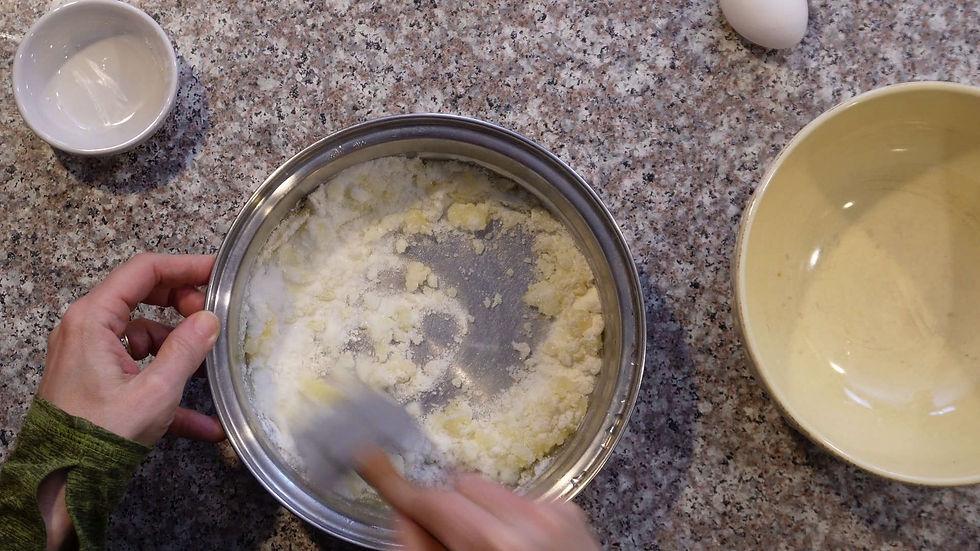
Mix well until the butter, sugar, and flour are evenly combined. The mixture will look thick and a little sandy or pasty. That’s fine.
Set this mixture aside for a moment while you separate the egg.
Separate the egg
Separate 1 large egg into yolk and white.

Put the yolk in a small bowl. Put the white in a clean mixing bowl. The bowl for the egg white should be free of grease, butter, or yolk, because any fat can stop the white from whipping properly.
Add 1/2 cup water to the egg yolk and mix until combined.
It may look thin, and that’s exactly what you want. This yolk and water mixture will loosen the butter and sugar mixture and turn it into a sauce base as it cooks.
Combine the yolk mixture with the butter mixture
Pour the egg yolk and water mixture into the butter, sugar, and flour mixture.

Stir until everything is smooth and evenly combined. If you see a few small lumps at first, keep stirring. The flour will hydrate as the mixture heats, and the sauce will smooth out.
Place the mixture back over the double boiler.
Cook until the mixture thickens
Now comes the part where you need to stay nearby.
Cook the mixture over the double boiler, stirring as it heats. Scrape the sides and bottom of the bowl or pan often so the flour doesn’t settle or thicken unevenly.
As it cooks, the mixture will slowly change. At first, it will be thin and loose. Then it will start to feel heavier on the spoon. Eventually, it should be about the thickness of pudding.

That pudding comparison is the best guide. You’re looking for a mixture that coats the spoon, holds a soft shape for a moment, and no longer looks watery.
Don’t try to rush this with high heat. A double boiler is meant to heat gently, which helps keep the egg yolk from scrambling and gives the flour time to thicken the sauce smoothly.
Once the mixture reaches that pudding-like thickness, turn off the heat and remove it from the double boiler.
Let the cooked mixture cool
This step is easy, but it matters a lot.
Set the cooked mixture aside and let it cool fully. Stir it now and then so it cools evenly and doesn’t form a thick skin on top.
You don’t want it hot. You don’t even want it very warm. If the cooked base is still warm when it meets the beaten egg white, it can make the finished sauce heavy instead of light.
If you’re in a hurry, you can set the bowl into a larger bowl of cool water and stir gently. Don’t let water splash into the sauce.
Beat the egg white until stiff
While the cooked mixture cools, beat the egg white.

At first, the egg white will turn loose and foamy. Then the bubbles will get smaller and the mixture will turn white. Keep beating, and it will thicken into soft peaks. Keep going until it reaches stiff peaks.

Stiff peaks mean the egg white holds its shape when you lift the beater. The peak should stand up firmly instead of folding right over.
Fold in the cooled mixture and vanilla

Once the cooked butter mixture has fully cooled, add it to the beaten egg white along with 1 teaspoon vanilla extract.

Fold gently.
Folding is not the same as stirring. Use a spatula to scoop down the side of the bowl, sweep across the bottom, and lift the mixture up and over itself. Turn the bowl as you go.

The goal is to combine the sauce without knocking all the air out of the egg white. Go slowly. A few pale streaks are better than a sauce that has been stirred flat.
When the sauce looks evenly combined, it’s ready to serve.
The full recipe in one place
Here’s the recipe written straight through if you want to cook from it.
Classic seafoam sauce
Ingredients
2 tablespoons butter
1/2 cup sugar
2 tablespoons all-purpose flour
1 large egg, separated
1/2 cup water
1 teaspoon vanilla extract
Instructions
Set up a double boiler and bring the water in the bottom pan to a gentle simmer.
Melt the butter in the top of the double boiler.
Remove the top of the double boiler from the heat.
Add the sugar and flour to the melted butter and mix well.
Set the butter mixture aside.
Separate the egg, placing the yolk in a small bowl and the white in a clean mixing bowl.
Add the water to the egg yolk and mix until combined.
Add the yolk and water mixture to the butter, sugar, and flour mixture. Stir well.
Return the mixture to the double boiler.
10. Cook, stirring often, until the mixture thickens to about the consistency of pudding.
11. Turn off the heat and remove the mixture from the double boiler.
12. Let the cooked mixture cool fully.
13. Beat the egg white until stiff peaks form.
14. Add the cooled cooked mixture and vanilla to the beaten egg white.
15. Fold gently until combined.
16. Serve as a dessert sauce.

Tips for getting the texture right
Seafoam sauce is all about texture. If the sauce turns out too thin, too heavy, or too lumpy, one of these spots is usually the reason.
Keep the double boiler heat gentle
A double boiler protects the sauce from direct heat, but it can still get too hot if the water underneath is boiling hard. Keep it at a simmer.
If the water is slamming against the bottom of the top pan or bowl, turn the heat down. You want steam and gentle heat, not aggressive boiling.
Stir while the base thickens
The flour needs even heat to thicken properly. If the mixture sits too long without stirring, it can thicken unevenly or form lumps.
Use a spoon, whisk, or heatproof spatula. A whisk can help if you see small lumps forming, but you don’t need to whip the mixture. Just keep it moving.
Cool the base before folding
This is one of the most common places to rush, and it really does change the final sauce.
Warm cooked base can deflate the egg white. Hot base can partially cook it. Fully cooled base gives you the best chance at that light, seafoam texture.
Beat the egg white in a clean bowl
Egg whites are picky. Grease, butter, or bits of yolk can keep them from whipping well.
For best results, use a clean glass or metal bowl. Plastic bowls can hold onto a little grease even after washing, so they aren’t always the best choice for beating egg whites.
Fold gently and stop when combined
Once the cooked base and egg white are together, don’t overmix.
The more you stir, the more air you lose. Fold just until the sauce looks combined and soft. It should feel light, not dense.
How to serve seafoam sauce
Seafoam sauce is best served soon after it’s made, while it’s still fluffy and fresh.
Spoon it over warm desserts right before serving. The contrast of warm cake or pudding with the cool, airy sauce is part of what makes it so good.
It’s especially nice with desserts that have spice, molasses, apples, or brown sugar flavors.
Here are a few easy pairings:
Gingerbread squares with a spoonful of seafoam sauce
Warm bread pudding with sauce over the top
Apple Dumplings served in bowls with sauce on top
Plain pound cake with seafoam sauce and a little nutmeg
Steamed pudding with sauce spooned over each serving
You can also serve it in a small pitcher or bowl at the table, but it’s not as pourable as a thin custard sauce. A spoon works better than a spout.
How to store leftovers
This sauce is at its best right after folding, so I’d make it close to serving time when possible.
If you do have leftovers, cover them and refrigerate them. The sauce may lose some volume as it sits, and a little liquid may separate. That’s normal for a sauce made with beaten egg white.
To use leftovers, give the sauce a gentle fold with a spatula. Don’t whisk it hard, because that can make it thinner.
Because of the egg white, don’t leave seafoam sauce sitting out for a long time. Keep it chilled if you’re not serving it right away, and use your best food safety judgment.
A sweet little piece of cookbook history
There’s something charming about recipes like this. They come from a style of cooking where a few basic ingredients could turn into something that felt special, as long as you knew the technique.
This Classic Seafoam Sauce Recipe from the 1969 Fanny Farmer Cookbook is exactly that kind of recipe. Butter, sugar, flour, one egg, water, and vanilla don’t sound dramatic on their own. But cook the base gently, beat the egg white well, fold with a light hand, and suddenly you’ve got a soft, old-fashioned sauce that feels like it belongs on warm apple dumplings on a cold night.
The big takeaway is simple: don’t rush the cooling, don’t overmix the folding, and let the double boiler do its gentle work. That’s how this sauce gets its light seafoam texture, and that’s what makes it worth making.




Comments