



Garden Tour June 19 2023: Phenomenal Growth with the Mittleider Method

I was not planning to do another garden tour this soon.
My last tour was only two weeks ago, and in my head, the next update was going to be about a month later. That felt reasonable. Give the plants time to settle in, put on some growth, and then come back with a nice, tidy update.
Well, the garden had other plans.
The change in just two weeks has been so big that I couldn’t wait a full month. The plants have taken off, the beds look fuller, and the whole garden has that exciting early-summer energy where you can almost see things growing from one day to the next.
And honestly, I’m so excited about the Mittleider gardening method right now. I knew it was supposed to help plants grow well, but seeing the difference in my own garden is something else entirely.
The garden changed fast after the last tour
Two weeks doesn’t sound like much time in a garden. Usually, a two-week update might mean a few taller stems, a little more leaf growth, and maybe one or two plants that finally decide to wake up.
This time, it feels like the entire garden shifted into a new stage.
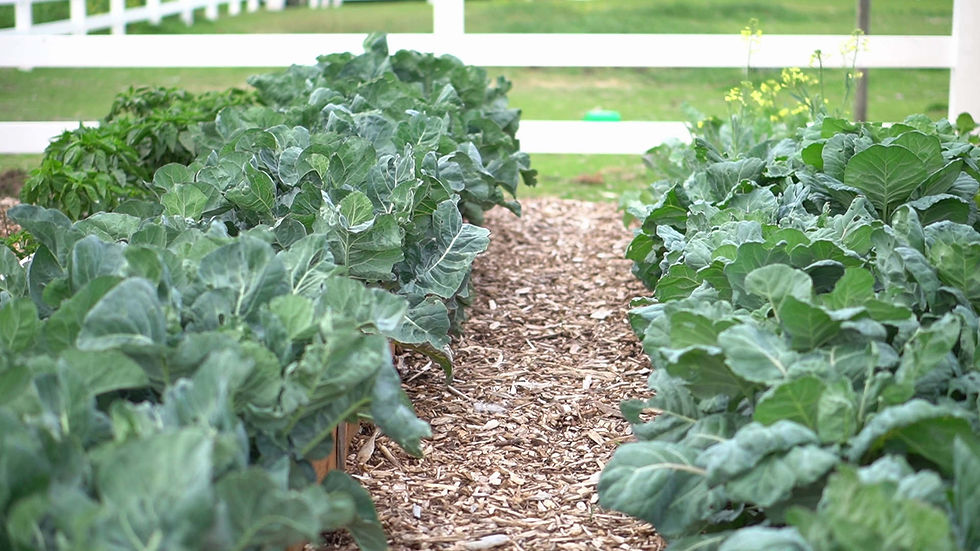
Beds that looked young and spaced out now look full. Plants that were just starting to get established now look strong and settled. The leaves are bigger, the color is better, and there’s a much more even look across the garden.
That’s one thing I’m really noticing with this method. The growth doesn’t feel random. It’s not just one plant doing great while the others sit there looking confused. The garden looks more balanced.
There are still differences from plant to plant, of course. That’s normal. Some crops grow faster than others, and some varieties naturally take more time. But overall, the garden feels like it’s moving together.
That’s a really good sign.
When plants are getting what they need, you can see it in the way they carry themselves. The leaves stand out better. The stems look stronger. The new growth comes in cleaner and more confident.
That’s what stood out to me most on June 19, 2023. Not just that things had grown, but that the plants looked like they were thriving, not just surviving.
Why I think the Mittleider Method is making such a difference
The biggest reason I’m excited is that the Mittleider Method takes a lot of the guessing out of gardening.
And if you’ve gardened for any amount of time, you know how easy it is to guess your way through a season.
Is the soil missing something?
Did I water too much?
Did I water enough?
Should I fertilize now?
Should I wait?
Why is one plant pale and the one beside it dark green?
There are always questions. The Mittleider approach gives you a clear system to follow. That doesn’t mean every garden becomes perfect overnight, but it does give you a structure. I really appreciate that.
At the heart of the method are a few simple ideas:
Give plants consistent nutrition
Water in a focused, regular way
Space plants so they can grow without wasting room
Keep beds organized and easy to manage
Pay attention often so small problems don’t turn into big ones
That might sound basic, but basic done consistently is powerful.
The weekly feed is one of the parts I’m really paying attention to. Instead of waiting until plants look hungry, the method keeps nutrients coming on a schedule. The plants don’t have to struggle along and then get rescued later. They get steady support while they’re actively growing.

That steady feeding seems to be a big part of what I’m seeing now. The plants look like they have the energy to keep pushing out new growth.
The other part that stands out is the bed layout. When the garden is organized, it’s much easier to water, feed, weed, prune, and actually notice what’s going on. I’m not fighting the garden just to care for it.
That makes a huge difference.
A messy garden can still produce food, but it can also hide problems. You miss weeds until they’re mature. You miss pests until leaves are damaged. You miss uneven watering because the beds don’t have a clear pattern.
With this setup, I can walk through and see what’s happening fast.
What stood out on the June 19 tour
The first thing I noticed was the overall fullness.

Just two weeks ago, the plants still had that younger look. They were growing, but there was more open space between them. Now, the beds are starting to fill in, and the garden has a completely different feel.

That’s always one of my favorite moments in the season. Early on, you do so much work and the garden still looks kind of empty. You prep the beds, transplant seedlings, water, feed, and wait. Then suddenly, the plants catch up to all that effort.
That’s where this garden is now.

The leaves are larger, which tells me the plants are actively building themselves. Strong leaf growth matters because leaves are the plant’s food factories. The more healthy leaf surface a plant has, the more energy it can produce for roots, stems, flowers, and fruit.

I’m also seeing better height and structure. The upright plants are starting to stretch, and the vining or spreading plants are beginning to claim more space. This is the point where supports, pruning, and regular checking start to matter more.
When plants grow slowly, it’s easy to keep up. When they start growing fast, you can fall behind in a hurry.
So this tour was also a reminder that the next stage of the garden is coming quickly. It’s not just about admiring the growth. It’s time to stay on top of the little jobs that keep that growth useful.
A few things I’m watching closely now:
New leaves and their color
Stem strength
Plant spacing as the beds fill in
Any signs of pest damage
Moisture consistency in the beds
Whether any plants need tying, training, or pruning
That might sound like a lot, but it doesn’t feel overwhelming because the garden layout makes it simple. A quick walk-through tells me most of what I need to know.
And that’s one of the underrated benefits of a method like this. It doesn’t just help plants grow. It helps the gardener keep up.
Two weeks can tell you a lot in the garden
One thing this update reminded me is that gardens can change fast when the conditions are right.
A month between tours sounded fine at first. But in summer, especially when plants are getting steady water and nutrition, a month can feel like a totally different garden. Waiting that long would’ve skipped over a really fun stage.
This two-week window showed me a lot.
It showed me that the plants are responding well to the system. It showed me that the beds are doing their job. It showed me that the feeding schedule is worth sticking with. And it gave me a little boost of motivation, which every gardener needs at some point in the season.
Because let’s be honest, gardening takes work.
There’s the fun part, of course. Harvesting, walking through the rows, seeing flowers form, and watching plants grow taller than you expected. That part is wonderful.
But there’s also heat, weeds, watering, pests, and the endless list of small things that need doing.
So when you see clear progress, it helps. It makes all those little daily tasks feel worth it.
That’s how I felt during this tour. Encouraged. Excited. A little surprised, too.
I expected growth, but I didn’t expect this much change in such a short stretch.
The simple routine that seems to be paying off
I don’t think the garden is doing well because of one magic trick. It’s the routine.
That’s probably the biggest lesson so far.
The Mittleider gardening method works best when you actually follow the steps and stay consistent. It’s not complicated, but it does ask you to pay attention.
For me, the helpful parts are:
Regular feeding
The plants get nutrients on a schedule instead of waiting until they look stressed.
Focused watering
Water goes where the plants need it, which helps the root zone stay more consistent.
Clean bed layout
The rows and beds make it easier to see what’s growing well and what needs attention.
Good spacing
Plants have room to grow, but the space isn’t wasted.
Frequent check-ins
A short look around the garden keeps small issues from sneaking up.
None of that is flashy. But it works together.
That’s what gardening often comes down to. You don’t need to do a hundred complicated things. You need to do the right basic things again and again.
This method gives me a plan for that.
I also like that it makes progress easier to notice. When you’re using a clear system, you can compare one week to the next and learn from what you’re seeing. If something looks off, you can ask better questions.
Did I miss a feeding?
Is the watering uneven?
Is this plant getting shaded?
Is the spacing too tight?
Is there pests starting?
That kind of thinking helps you improve instead of just reacting.
What I’m watching for next
Now that the garden has hit this stronger growth stage, I know the next couple of weeks will matter.
Fast growth is exciting, but it also means I need to keep up with support and maintenance. If plants need training, I don’t want to wait until stems are flopping over. If weeds show up, I want to handle them while they’re small. If leaves start crowding too much, I want to improve airflow before disease becomes an issue.
I’ll also be watching for flowering and fruit set where it applies. Once plants start shifting from leafy growth into production, consistency matters even more. Uneven watering or missed nutrition can show up quickly during that stage.
The goal is to keep the plants growing steadily without letting the garden get away from me.
That’s easier said than done in June, because everything grows fast, including the weeds. But this is also the fun part. The garden starts to look alive in a whole new way.
My biggest takeaway from this garden tour
The June 19, 2023 garden tour left me feeling really encouraged.
I went into this season excited to try the Mittleider Method, but seeing the growth over just two weeks has made me even more convinced that the structure, feeding, watering, and spacing are making a real difference.
The garden looks healthier. The plants look stronger. The growth is more even. And I’m enjoying the process because I’m not guessing as much.
That’s a big deal.
Gardening will always have surprises. Weather changes. Pests show up. Some plants do better than others. No method removes every challenge.
But when a garden responds this well in such a short time, it’s hard not to get excited.
I’m glad I didn’t wait a full month to share this update. Two weeks was enough time for a major change, and it reminded me why regular garden tours are so much fun. You get to see the story unfold one stage at a time.
For now, I’m going to keep feeding, watering, watching, and enjoying the growth. If the garden keeps moving like this, the next update should be a good one.





Comments