



How to Safely Can Zucchini Pineapple Using a Boiling Water Bath Method

Updated: Oct 13
Canning zucchini pineapple is a delightful way to preserve the fresh flavors of summer for months to come. This combination offers a sweet and tangy twist on traditional zucchini recipes, making it a favorite for any recipe that you would use pineapple in. Using a boiling water bath method is a trusted way to ensure your zucchini pineapple is preserved safely. This guide explains how to can zucchini pineapple properly and what makes the boiling water bath method effective for this type of preservation.
Why Use a Boiling Water Bath for Canning Zucchini Pineapple?
The boiling water bath method involves submerging jars filled with food into boiling water for a specific time. This process kills bacteria, yeasts, and molds that could spoil the food or cause illness. It also creates a vacuum seal as the jars cool, preventing new contaminants from entering.
Zucchini is a low acid item so it needsto be combined with the right ingredients, such as pineapple and lemon juice. High acidity is crucial because it stops the growth of harmful bacteria like Clostridium botulinum, which causes botulism. The boiling water bath method works well for high-acid foods because the temperature of boiling water (212°F or 100°C) is sufficient to destroy most harmful microorganisms in these conditions.
Low-acid foods, like plain zucchini, require pressure canning because boiling water alone cannot reach the temperatures needed to kill all bacteria. But when zucchini is canned with acidifiers, it becomes safe for boiling water bath processing.
Preparing Zucchini Pineapple for Canning
Ingredients and Supplies
16 cups zucchini, peeled, seeded and cut into chunks, slices or crushed
3 cups sugar
1 1/2 cups Lemon juice
5 3/4 cups pineapple juice
Jar lifter and funnel
Step-by-Step Preparation
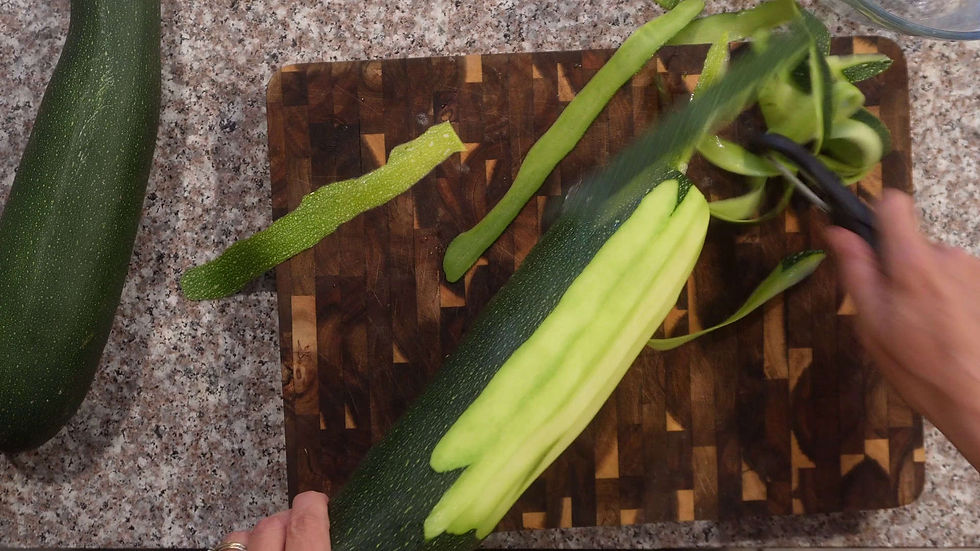
Peel and Cut Zucchini
Peel and seed the zucchini. Cut zucchini into uniform 1/2-1 inch pieces to ensure even cooking.


Prepare Syrup
Combine pineapple and lemon juice with sugar. The syrup adds flavor, acidity and helps preserve texture. Bring to a simmer.

Add Zucchini
Add the zucchini to the syrup and let it simmer for 20 minutes.

Pack Jars
Use a funnel to pack zucchini and syrup into hot pint jars, leaving 1/2 inch of headspace at the top.

Remove Air Bubbles
Slide a non-metallic spatula or chop stick around the inside of the jar to release trapped air bubbles.
Wipe Rims and Seal
Clean the jar rims with a damp cloth to ensure a good seal. Place lids on jars and screw on bands until fingertip tight. (For quality, American made Superb canning lids and jars follow this link and use the coupon code WP20 to get 20% off your purchase.)
How to Boiling Water Bath
Prepare the Water Bath
Fill boiling water bath with enough water to cover jars by at least 1 inch.
Place Jars in the Water
Use a jar lifter to lower jars into the hot water carefully.
Process for Recommended Time
Boil jars for 15 minutes if at sea level. This creates a vacuum seal that keeps your jam fresh for months. (Adjust the processing time if you are above 1000 feet.)

Remove and Cool
Lift jars out carefully and place them on a towel or cooling rack. Let them cool undisturbed for 12 to 24 hours.
Check Seals
After cooling, press the center of each lid. If it does not pop back, the jar is sealed. Refrigerate any jars that did not seal properly and use them soon.

What Makes This Method Safe?
Acidity Level: The combination of pineapple and lemon juice raises the acidity above 4.6 pH, which prevents harmful bacteria growth.
Heat Penetration: Boiling water at 212°F effectively kills organisms and pathogens in high-acid foods.
Vacuum Seal: The cooling process creates a vacuum seal that blocks new bacteria from entering the jar.
Proper Processing Time: Following recommended boiling times ensures thorough heat treatment.
Tips for Best Results
Use fresh, firm zucchini for the best texture and flavor.
Adjust processing times if you live at higher altitudes, as water boils at lower temperatures.
Store canned jars in a cool, dry, dark place to maintain quality.
Label jars with the date and contents for easy tracking.




Comments